

Tattoo Removal Lasers: Key Specs Clinics Should Compare
Choosing the right tattoo removal laser is essential for achieving faster results, minimizing risks, and treating a wider range of ink colors. This guide explains the most important technical specifications clinics should evaluate—wavelengths, pulse width, fluence, spot size, frequency, and cooling systems—to select a reliable and effective laser for professional tattoo removal services.
![]() Why Choosing the Right Laser Matters
Why Choosing the Right Laser Matters
Tattoo removal is one of the fastest-growing aesthetic services. A high-quality laser can:
-
Remove more colors
-
Reduce treatment time
-
Minimize skin damage
-
Deliver better clearance
-
Increase client satisfaction
Understanding key specs helps clinics invest wisely and avoid outdated or underpowered systems.
Essential Specs to Compare in Tattoo Removal Lasers
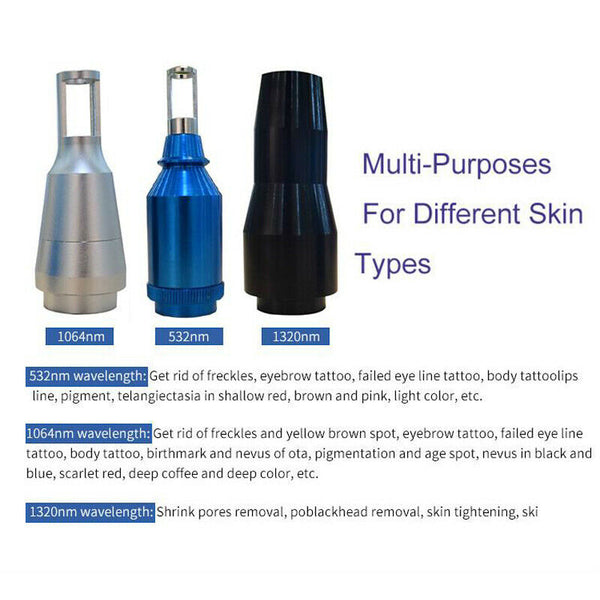
1. Wavelengths: Determines Which Ink Colors Can Be Removed
Different ink colors absorb different wavelengths.
Common wavelengths:
-
1064 nm (Nd:YAG) – black, dark blue, dark green (deep penetration)
-
532 nm – red, orange, yellow, light brown
-
755 nm (Picosecond Alexandrite) – blue, green, turquoise
The more wavelengths a device offers, the more tattoos it can treat effectively.
2. Pulse Width (ns vs ps): Affects Speed & Pigment Shattering
Pulse width determines how quickly energy is delivered.
Types:
-
Nanosecond (Q-Switched) – traditional, effective for most tattoos
-
Picosecond – shatters pigment more finely, faster fading, fewer sessions
Picosecond lasers are considered the gold standard for difficult colors and stubborn ink.
3. Energy Output (Fluence): Affects Treatment Strength
Stronger energy allows deeper penetration and faster pigment breakdown.
Look for:
-
High max fluence
-
Stable energy delivery
-
Adjustable power levels
Insufficient energy can lead to slow results and client dissatisfaction.
4. Spot Size Options: Affects Precision & Treatment Speed
Spot size determines coverage area.
Ideal features:
-
Multiple spot sizes
-
Large size for fast body tattoos
-
Small size for detailed work (eyebrows, fingers)
A good device offers flexibility for different tattoo sizes and locations.
5. Frequency (Hz): Affects Treatment Speed
Higher frequency = faster pulse repetition.
Typical range:
-
1–10 Hz for Q-switched
-
Up to 20 Hz for advanced devices
Higher frequency speeds up sessions without reducing energy per pulse.
6. Cooling System: Essential for Safety & Comfort
Cooling protects the epidermis and reduces pain.
Cooling types:
-
Contact cooling
-
Air cooling
-
Cryo cooling machine
Strong cooling improves comfort and lowers risk of post-treatment irritation.
7. Safety Features Clinics Should Look For
A professional-grade tattoo removal laser should include:
-
Real-time energy monitoring
-
Overheat protection
-
Stable power supply
-
Certified handpieces and lenses
-
Medical-grade casing
These ensure consistent results and long-term durability.
| Specification | What to Look For |
|---|---|
| Wavelengths | 1064 nm + 532 nm; 755 nm optional for advanced removal |
| Pulse Width | Nanosecond or picosecond depending on budget & needs |
| Energy Output | High and stable fluence for consistent pigment breakage |
| Cooling | Strong epidermal cooling for comfort and safety |
 Conclusion
Comparing the right laser specifications—wavelengths, pulse width, fluence, spot size, frequency, and cooling—helps clinics choose a system that delivers fast, safe, and effective tattoo removal. A high-quality laser not only improves results but also increases client satisfaction and expands the clinic’s service capabilities. Investing in a reliable machine ensures better performance and long-term value.
 Suggested Internal Links
Contact Information
Guangzhou Newbelle Technology Co., Ltd.
📧 Email: sophia@gznewbelle.com
📱 WhatsApp: +86 186 2052 1863
🌐 Website: https://gznewbelle.shop